Seed-Strapping: The Founder's Playbook for Scaling Without Surrendering Control
Learn how seed strapping can fuel your startup's growth. Discover practical strategies and insights to navigate this crucial funding stage. Read more!



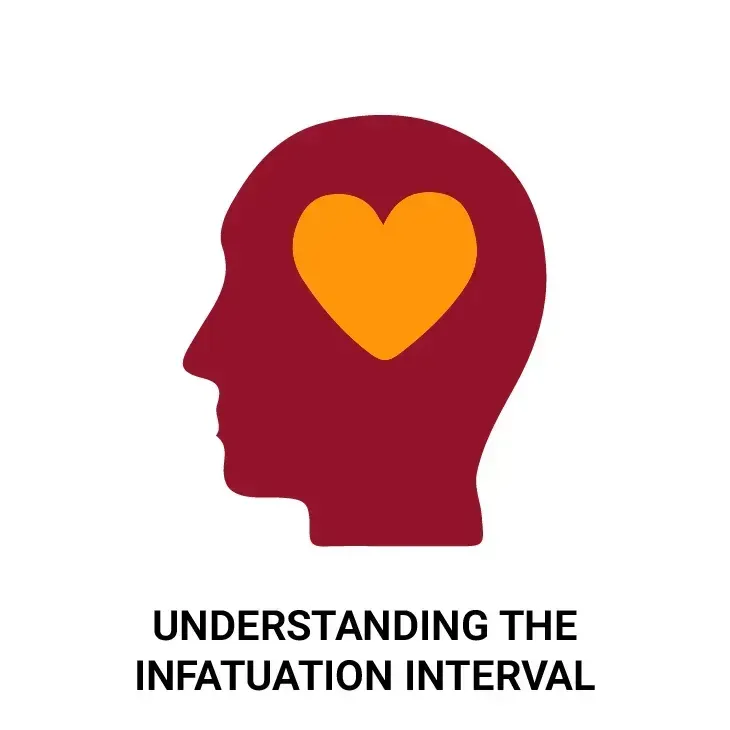
Every product, service, or brand you launch, especially for startups and new products, has a honeymoon period - the Infatuation Interval.
All products and services experience these infatuation intervals, which are peak phases of customer excitement and emotional engagement. Customers are excited, forgiving, and eager to evangelize. During this time, they are often blinded to product flaws, making them more willing to pay and likely to be ambassadors for your product. What you do in those first weeks or months determines whether you create a forever customer or a one-night stand. These cognitive biases also play out in customers' daily lives, shaping what they notice and remember about your product during typical interactions and everyday situations.
This guide shows you how to harness that window, from onboarding to metrics, and turn early excitement into long-term loyalty.
Key Insight: Most companies obsess over “customer lifetime value” but ignore the first 30 days, which is where that lifetime value is largely decided.
How to use it:

Think of onboarding like the first episode of a hit series. If the pilot flops, viewers don’t come back. That’s why serving as many new users as possible during onboarding is crucial to maximizing engagement and setting the stage for long-term loyalty.
Here are some onboarding principles to keep in mind:
A great onboarding experience not only reduces churn but also helps grow your product's user base by turning new users into loyal advocates.
| Onboarding Element | What You Do | Why It Works |
|---|---|---|
| Quick Start Guide | Provide a 3-step “first success” path where users are actively involved in completing initial tasks | Accelerates dopamine hit |
| Personalization | Ask for one key preference at signup | Increases perceived relevance |
| Support Trigger | Live chat or micro-tutorial at the first stall point | Prevents churn at friction points |
Future Trends: AI-driven onboarding that adapts in real time to user behaviour — think Netflix recommendations for feature adoption.
Perceived value isn’t your feature list. It’s the story in your customer’s head about what your product does for them. The perceived benefits play a key role in shaping this story, especially during the early phase when customers’ initial excitement is high and their expectations are influenced by what they believe your product will deliver. Just as a person in a state of infatuation focuses intensely on a beloved person, noticing every detail and attributing special meaning, customers during the infatuation interval focus on your product, perceiving it as uniquely valuable compared to others.
Analogy: If you run a coffee shop, you’re not merely selling coffee. You’re offering a “third space” experience: a welcoming place where people feel comfortable, connected, and inspired beyond just enjoying a cup of coffee.
| Driver | Example | Lever to Pull |
|---|---|---|
| Functional Benefit | Faster processing | Benchmark vs. competitor |
| Emotional Benefit | Peace of mind | Storytelling & imagery |
| Social Benefit | Status/FOMO | Early adopter badges |
Different products deliver these functional, emotional, and social benefits in unique ways, shaping how consumers perceive and engage with each product.
Future trend: Customers increasingly expect values alignment (sustainability, DEI, transparency) as part of perceived value. Your “why” is now part of your “what.”
After infatuation comes reality, customers shift from “Wow” to “Why isn’t this perfect?”. This is the Entitlement Period. Once the infatuation period is over, customers enter this phase where they demand more from the product. For some products, the infatuation interval is a short, intense phase that quickly transitions to entitlement, accelerating the shift.
| Customer Stage | Risk | Your Move |
|---|---|---|
| Early Infatuation | Under-promise / over-deliver | Celebrate wins |
| Mid-Shift | Expectations rising | Transparent roadmap |
| Full Entitlement | “Perfect or I churn” | Proactive service + new value |
Future trend: Predictive support (AI flagging at-risk users before they churn) will become table stakes.
You can’t manage what you don’t measure. Most companies track vanity metrics (such as sign-ups) but not infatuation metrics. Capturing meaningful infatuation metrics can be difficult, especially because recruiting participants for these metrics often presents significant challenges in terms of engagement and recruitment.
The approach to measuring infatuation metrics is similar to methods used in other customer experience studies.
Action Step: Create a dashboard that distinguishes between early-period metrics (activation, TTFV) and long-term metrics (retention, expansion).
Future Trend: AI sentiment analysis on open-ended feedback at scale provides a real-time emotional heat maps of your user base.
The Infatuation Interval is a powerful force in shaping how customers perceive both your product and its price. When customers enter this interval, the novelty and excitement of your offering elevate their perception of value. They’re more likely to overlook potential shortcomings and focus on the benefits. But as the infatuation wears off and customers become fully entitled, they start to notice the product’s potential shortcomings, and their perceived value can decrease. This shift in perception is a natural part of the customer journey, and how you manage pricing during this interval can make or break the long-term relationship.
Pricing isn’t just a number. It’s a signal that shapes the entire customer experience during the Infatuation Interval. When companies launch a well-received offering at a price that feels fair, they create a positive association that can extend the excitement and novelty of the product.
Customers who pay a premium often feel more invested and excited about the features, which can lead to a longer Infatuation Interval and a deeper connection to the product. For example, a study showed that consumers who pay more for a product are more likely to focus on its novelty and unique features, rather than fixating on potential shortcomings. On the other hand, if the price seems out of sync, either too high or suspiciously low, customers may become fixated on what’s missing, and their infatuation fades more quickly.
Key Insight: The key is to support the customer’s perception of value, so the offering feels worth every penny during this critical interval.
To create a successful pricing strategy that maximizes the Infatuation Interval, companies need to reimagine boundaries and focus on delivering value that evolves with customer demands. Consider offering tiered pricing, limited-time discounts, or bundled features that inject excitement and novelty into the customer experience. These tactics not only keep customers engaged but also create a sense of discovery and reward as they explore your product.
Additionally, neuroscience-backed strategies such as price anchoring (displaying a higher “original” price alongside your offer) or scarcity (limited-time offers) can increase perceived value and drive excitement during the interval. By understanding the psychological factors that drive infatuation, companies can develop pricing models that foster long-term loyalty and growth. As customers transition from infatuation to entitlement, be ready to adapt: review your pricing, listen to feedback, and evolve your offering to meet new expectations. This approach ensures your product remains relevant and valued, transforming a fleeting interest into a lasting relationship.
Optimizing customer interactions is the secret ingredient for turning fleeting excitement into lasting loyalty. During the infatuation interval, every touchpoint is a chance for companies to reinforce the emotional connection and keep customers engaged. By understanding how the infatuation interval shapes customer behaviour, companies can design interactions that not only meet but anticipate customer needs, making each moment feel fresh and meaningful.
The key is to treat every interaction—whether it’s a support chat, a product update, or a simple notification—as an opportunity to delight. Companies that excel here don’t just answer questions; they create memorable experiences that extend the interval of infatuation and deepen the customer’s attachment to the offering. This approach transforms routine exchanges into relationship-building moments, ensuring that customers feel seen, heard, and valued throughout their journey.
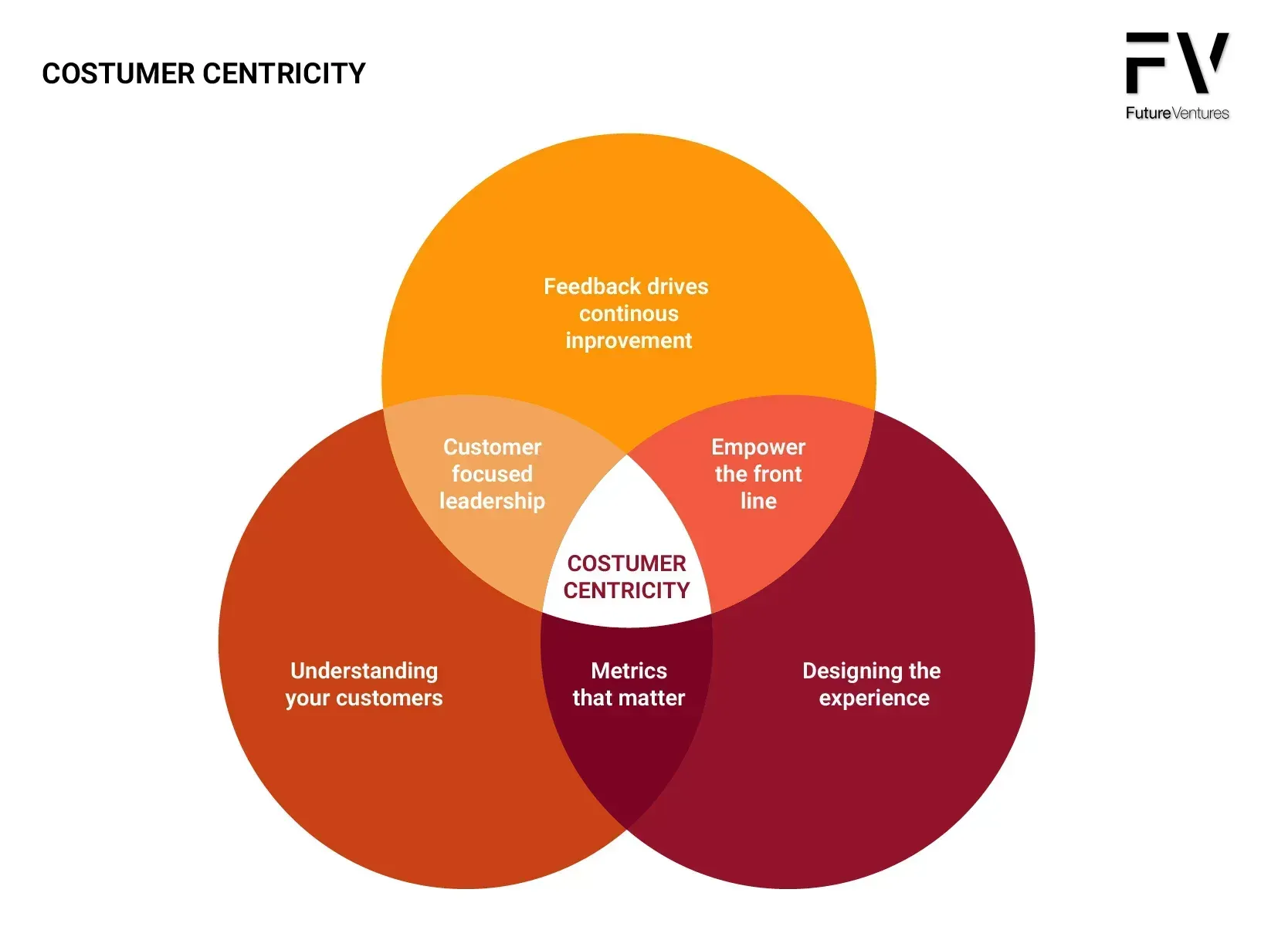
Personalization is the engine that powers customer infatuation. When companies use customer data to tailor experiences—like recommending new features based on usage patterns or sending timely, relevant content—they tap into the excitement and novelty that customers crave. For example, a streaming service that suggests a new show based on recent viewing habits not only surprises the customer but also reinforces the sense that the offering is uniquely attuned to their preferences.
Responsiveness is equally crucial. Addressing questions or concerns quickly shows customers that their experience matters, especially when potential shortcomings arise. Proactive support—such as reaching out when a customer seems stuck or offering solutions before issues escalate—can prevent customers from becoming fully entitled and dissatisfied. Additionally, companies that acknowledge feedback and act on it demonstrate a commitment to continuous improvement, which increases trust and keeps the infatuation alive.
By combining personalization with rapid, empathetic responses, companies can turn potential shortcomings into opportunities for connection. This not only increases the perceived value of the offering but also helps customers stay excited and engaged, even as the initial novelty begins to fade. The result? Customers who feel genuinely cared for—and who are far more likely to stick around for the long haul.
Transparency builds trust. Supplementary materials aren’t just a compliance checkbox; they’re part of your brand experience.
Analogy: Think of your supplementary materials as the “DVD extras” that turn casual viewers into superfans.
Future Trend: Interactive, AI-powered “explainers” replacing static FAQs — voice/chat bots that actually solve problems.
| Step | What You Do | Outcome |
|---|---|---|
| 1. Design the First 30 Days | Map micro-moments, remove friction, script wow moments | Maximize initial excitement |
| 2. Amplify Perceived Value | Frame outcomes, show social proof, align with values | Build a deeper emotional connection |
| 3. Manage Entitlement Shift | Communicate roadmap, ship improvements, predictive support | Reduce churn |
| 4. Measure & Adapt | Track infatuation metrics, adjust onboarding & features | Continuous improvement loop |
Slack’s early success wasn’t just product fit; it was orchestrating the Infatuation Interval:
In the next five years, the companies winning loyalty won’t just “manage” onboarding — they’ll orchestrate a continuous Infatuation Interval, where novelty, relevance, and trust are constantly renewed.
You’re not just selling a product; you’re staging an experience. The Infatuation Interval is your opening act. Get it right, and you create customers who stay not because they’re locked in, but because they’re still in love.
Learn how seed strapping can fuel your startup's growth. Discover practical strategies and insights to navigate this crucial funding stage. Read more!
Learn how the Lehman scale sets M&A and capital-raising success fees: the Lehman formula, Double Lehman, modern variations and what founders should negotiate.
Explore the J Curve's implications for investors and strategists, balancing risks and rewards. Gain insights to enhance your decision-making—read more now!
Learn practical strategies to overcome common challenges as a first-time fund manager. Dive into our guide for essential tips and insights. Read more!
MIT found 95% of AI pilots fail. See how companies use AI to improve client workflows — and why integration decides the winners.
Discover how the CEO of the future is transforming business leadership and driving change. Read the article to learn more about this emerging role.
Quality of Earnings (QoE): understand what buyers and investors look for, uncover red flags, and boost valuation before your exit.
Maximize your productivity with our CEO time management template. Learn strategies to structure your day effectively. Read more for practical insights!
How founders use a 90-day execution sprint to turn strategy into results: set quarterly priorities, align the team and keep everyone accountable for progress.
Discover key insights on investor perceptions when founders become defensive. Learn tips to navigate tough conversations effectively. Read the article now!