

Seed-Strapping: The Founder's Playbook for Scaling Without Surrendering Control
Learn how seed strapping can fuel your startup's growth. Discover practical strategies and insights to navigate this crucial funding stage. Read more!


Once upon a time, the employment contract was simple. You gave a company your loyalty and labour, and in return, you got stability, a pension, and maybe even a gold watch after a long and illustrious career.
That story is dead!
The social contract between employers and employees has been rewritten—not with a pen, but with an algorithm. And in this new draft, one party is getting screwed. Spoiler: it’s you.
Welcome to the age of the broken employment contract!
| Feature | Then (Old Contract) | Now (Broken Contract) |
|---|---|---|
| Job Tenure | 10-30 years | 2-4 years |
| Retirement Benefits | Guaranteed pension | DIY pension roulette |
| Loyalty Incentives | Promotions, seniority | Layoffs, reorgs, gig work |
| Job Description | Stable and predictable | Ever-shifting & over-scoped |
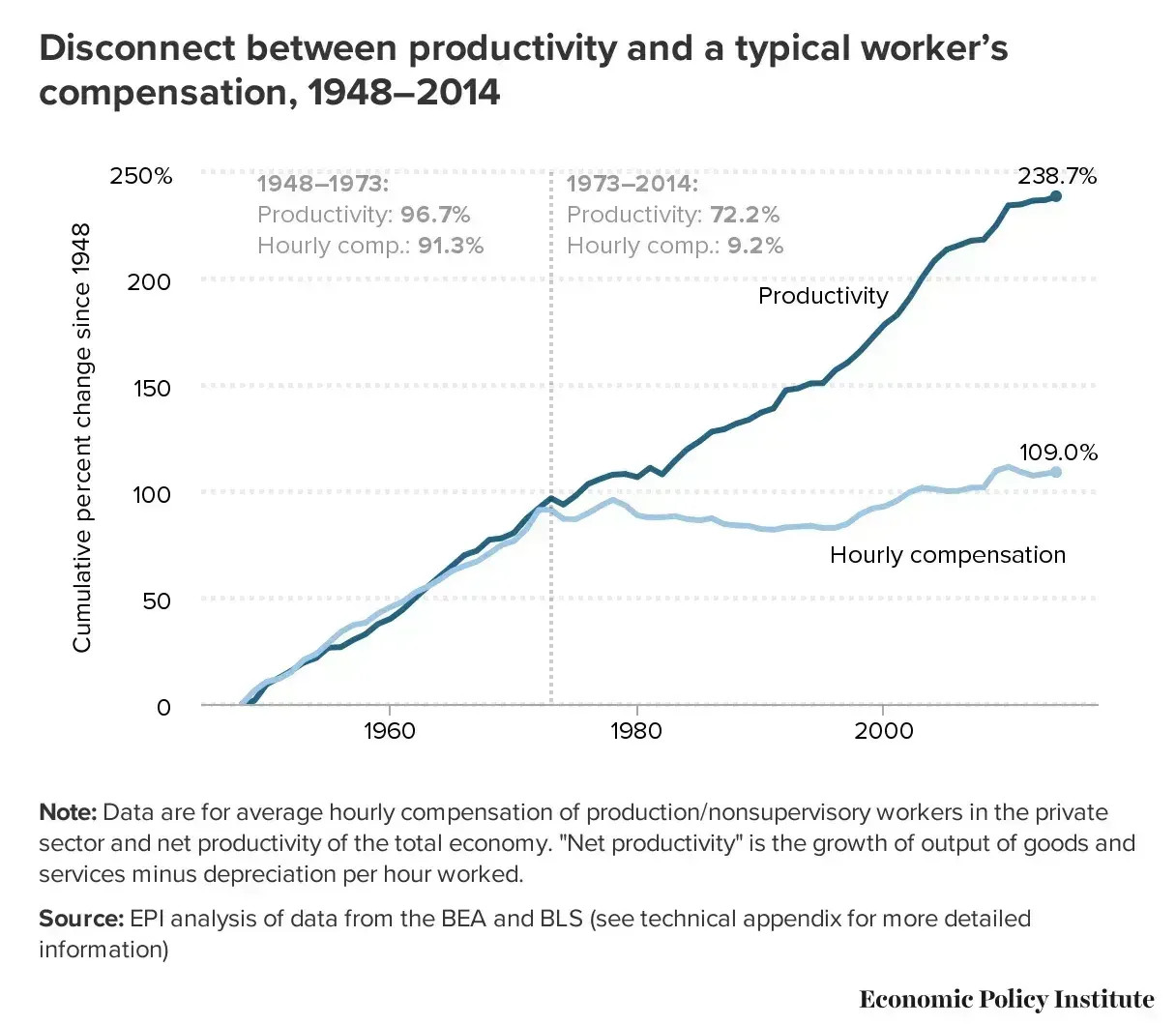
Key Insight: The CEO-to-worker pay ratio is now over 300:1. That’s not a market. That’s a hostage negotiation.
Key Statistics:
| Corporate Message | Reality Check |
|---|---|
| "We're a family." | Families don’t conduct mass layoffs. |
| "We care about well-being." | But still schedule 7:00 AM meetings. Or, expect you to dial-in for that "important" call while on your family vacation. |
| "We empower you to lead." | Until you question leadership. |
| "We offer flexibility." | You can work from anywhere... always. |
Mini Takeaway: Language is the new camouflage. Don’t buy the buzzwords. Buy the action. Show me. Don't tell me!
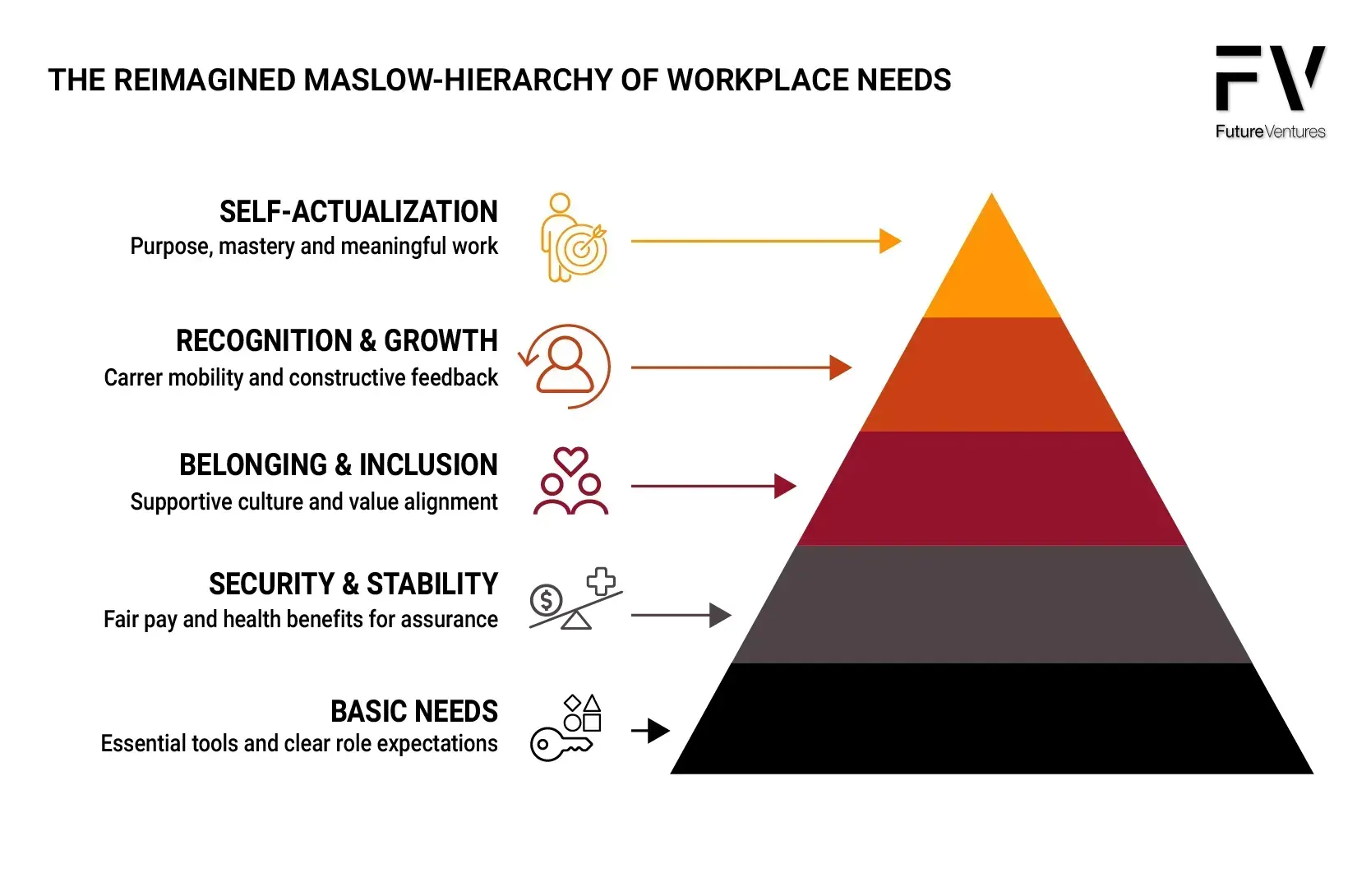
Analogy: Think of the old employment model like Blockbuster. Rigid, centralized, and slow. The new one? It needs to be more like Spotify: flexible, personalized, and on-demand.
The employment contract is broken, but that’s not the end of the story. It’s the start of a new one. Smart companies will rewrite the terms to be fairer, more human, and more aligned with what modern workers truly value. The others? They’ll keep wondering why their best people are quietly quitting or loudly leaving.
So ask yourself—are you stuck in a system that treats you like a cog? Or are you ready to demand a new contract?
Build the new employment contract with us.
Learn how seed strapping can fuel your startup's growth. Discover practical strategies and insights to navigate this crucial funding stage. Read more!
Learn how the Lehman scale sets M&A and capital-raising success fees: the Lehman formula, Double Lehman, modern variations and what founders should negotiate.
Explore the J Curve's implications for investors and strategists, balancing risks and rewards. Gain insights to enhance your decision-making—read more now!
Learn practical strategies to overcome common challenges as a first-time fund manager. Dive into our guide for essential tips and insights. Read more!
MIT found 95% of AI pilots fail. See how companies use AI to improve client workflows — and why integration decides the winners.
Discover how the CEO of the future is transforming business leadership and driving change. Read the article to learn more about this emerging role.
Quality of Earnings (QoE): understand what buyers and investors look for, uncover red flags, and boost valuation before your exit.
Maximize your productivity with our CEO time management template. Learn strategies to structure your day effectively. Read more for practical insights!
How founders use a 90-day execution sprint to turn strategy into results: set quarterly priorities, align the team and keep everyone accountable for progress.
Discover key insights on investor perceptions when founders become defensive. Learn tips to navigate tough conversations effectively. Read the article now!








