
Seed-Strapping: The Founder's Playbook for Scaling Without Surrendering Control
Learn how seed strapping can fuel your startup's growth. Discover practical strategies and insights to navigate this crucial funding stage. Read more!


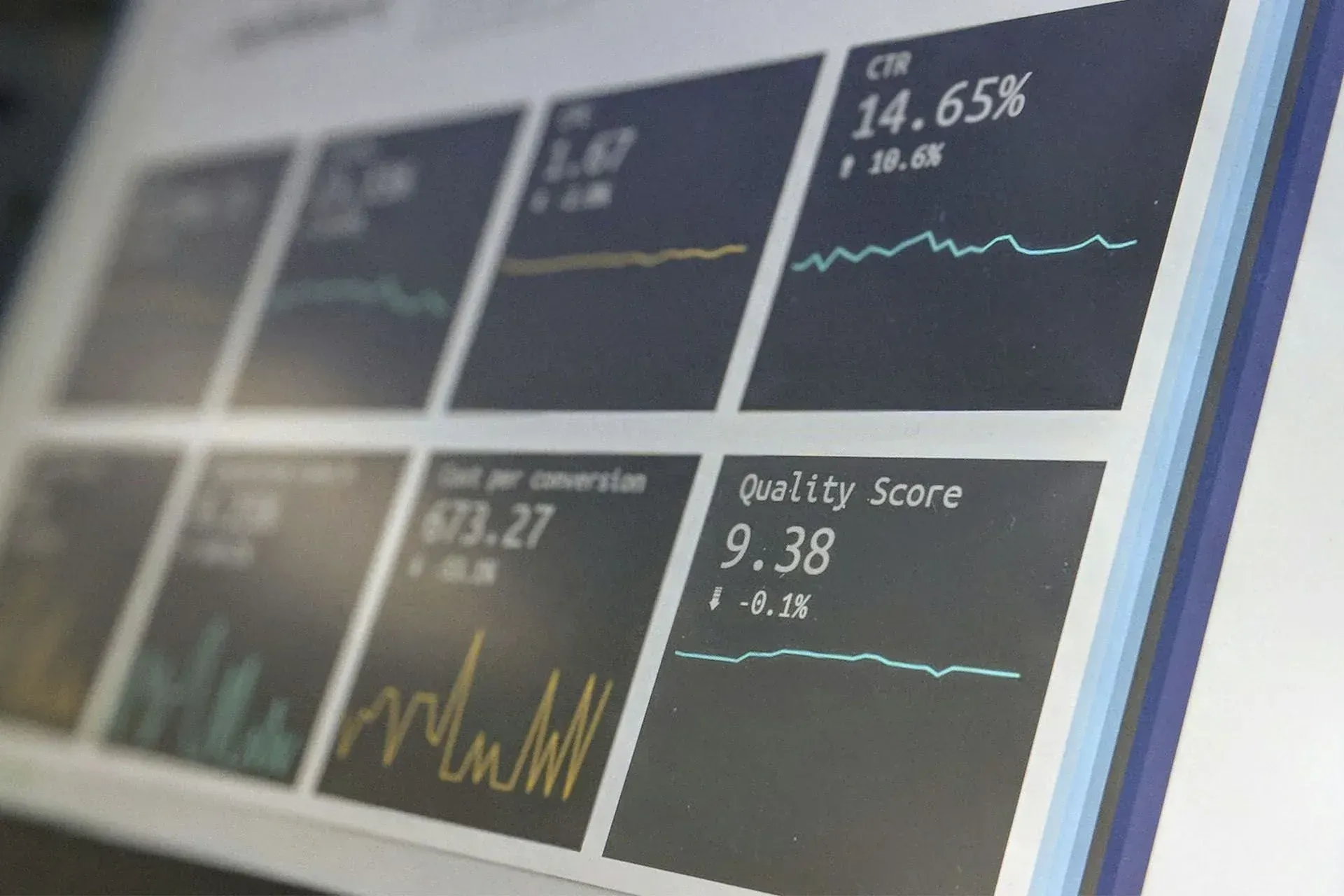
Enterprise Risk Management (ERM) is a crucial aspect of modern business operations, and ERM dashboards play a pivotal role in this process. An ERM dashboard is a visual representation of an organization's risk landscape, providing real-time insights into various risk factors that could impact the business.
An enterprise risk dashboard in ERM is a centralized visual interface that displays key risk indicators (KRIs), risk metrics, and other relevant data to help organizations monitor, assess, and manage their risk exposure. It serves as a powerful tool for decision-makers to quickly grasp the current risk status and make informed choices to mitigate potential threats.
ERM dashboards are essential for organizations because they:
In today's fast-paced business environment, organizations face a multitude of risks that can significantly impact their operations, financial performance, and reputation. An ERM dashboard is crucial for several reasons:
ERM dashboards offer a clear visual representation of an organization's risk landscape, making it easier for stakeholders to identify and understand potential threats.
By providing real-time data and analytics, ERM dashboards empower decision-makers, including executives, to make informed choices quickly and effectively.
With early warning indicators and trend analysis, organizations can anticipate potential risks and take preventive measures before they escalate.
ERM dashboards consolidate risk information from various sources, simplifying the reporting process and ensuring consistency across the organization.
ERM dashboards also summarize outstanding actions needed to address risks and track progress on improvement actions.
Many industries are subject to strict regulatory requirements. ERM dashboards help organizations track and demonstrate compliance with relevant regulations
.
Different levels of an organization require varying degrees of risk information. Here's a breakdown of what each layer should see in an ERM dashboard:
Aligning risks with business objectives and value drivers is crucial for effective risk management. Here's how to approach this mapping:
Start by clearly defining the organization's strategic goals and objectives. These could include financial targets, market expansion, product innovation, or customer satisfaction.
Identify the factors that contribute to achieving these objectives. Value drivers might include operational efficiency, brand reputation, intellectual property, or customer relationships.
Perform a comprehensive risk assessment to identify potential threats that could impact the achievement of objectives or compromise value drivers.
Create a matrix that maps identified risks to specific business objectives and value drivers. This helps in understanding how each risk could affect the organization's strategic goals.
Based on the potential impact on objectives and value drivers, prioritize risks to focus on those that pose the greatest threat to the organization's success.
Create key risk indicators (KRIs) that are directly linked to business objectives and value drivers. These KRIs should be measurable and provide early warning signals of potential risks.
Incorporate the risk-objective mapping and associated KRIs into the ERM dashboard, allowing stakeholders to visualize the relationship between risks and strategic goals.
Understanding the different types of enterprise risk is essential for comprehensive risk management. Here are the five primary categories:
Strategic risks are associated with high-level decisions that affect the organization's direction and long-term success. These may include:
Operational risks arise from the day-to-day activities of the organization and can impact its ability to execute business processes effectively. Examples include:
Financial risks are related to the organization's financial health and stability. They encompass:
Compliance risks stem from the failure to adhere to laws, regulations, or industry standards. These may involve:
Reputational risks can damage an organization's image, brand, or relationships with stakeholders. Sources of reputational risk include:
The Committee of Sponsoring Organizations of the Treadway Commission (COSO) has defined eight interconnected components that form the foundation of an effective ERM framework:
This component sets the tone of the organization and establishes the basis for how risk is viewed and addressed. It includes:
Organizations must set clear objectives that align with their mission and vision while considering potential risks. This involves:
This component focuses on identifying internal and external events that may affect the achievement of objectives. It includes:
Once events are identified, they must be assessed to determine their likelihood and potential impact. This involves:
Organizations must develop strategies to address identified risks. Responses may include:
Policies and procedures are implemented to ensure risk responses are effectively carried out. These may include:
Relevant information must be identified, captured, and communicated in a form and timeframe that enables people to carry out their responsibilities. This involves:
The entire ERM process must be monitored and modified as necessary. Monitoring activities include:
The enterprise dashboard serves as a centralized platform for visualizing and managing various aspects of an organization's performance, including risk management. Here's what you need to know about enterprise dashboards:
An enterprise dashboard provides a high-level overview of the organization's key performance indicators (KPIs), including financial metrics, operational efficiency, customer satisfaction, and risk management data. It serves as a single source of truth for decision-makers across the organization.
To effectively incorporate risk management into the enterprise dashboard:
To maximize the effectiveness of your ERM dashboard, consider the following best practices:
Involve key stakeholders from various departments in the design and implementation process to ensure the dashboard meets their needs and aligns with organizational objectives. Involving stakeholders ensures they stay informed about critical events and changes in risk status.
Ensure that the data feeding into the dashboard is accurate, reliable, and up-to-date. Implement data validation processes and regular audits to maintain data integrity.
Create an intuitive, visually appealing interface that allows users to easily navigate and interpret the information presented.
Design the dashboard to be adaptable to changing business needs and user preferences. Allow for customization of views and metrics based on user roles and responsibilities.
Ensure the dashboard is accessible and functional on mobile devices, allowing stakeholders to monitor risks and make decisions on the go.
Seamlessly integrate the ERM dashboard with existing enterprise systems, such as ERP, CRM, and financial management tools, to provide a comprehensive view of the organization's risk landscape.
Continuously refine and update the dashboard based on user feedback, emerging risks, and changes in the business environment.
Provide thorough training and ongoing support to users to ensure they can effectively utilize the dashboard and interpret its data.
Enterprise Risk Management Dashboards are powerful tools that enable organizations to effectively monitor, assess, and manage risks across all business levels. By providing real-time visibility into key risk indicators, facilitating data-driven decision-making, and aligning risks with strategic objectives, ERM dashboards play a crucial role in safeguarding an organization's assets and supporting sustainable growth.
As the business landscape continues to evolve and new risks emerge, the importance of robust ERM practices and sophisticated dashboards will only increase. By implementing and continuously improving their ERM dashboards, organizations can stay ahead of potential threats and capitalize on opportunities, ultimately driving long-term success and resilience.
For those interested in delving deeper into the world of ERM dashboards, here are some valuable resources:
These resources provide a wealth of information on ERM best practices, emerging trends, and practical implementation strategies for effective risk management dashboards.
Learn how seed strapping can fuel your startup's growth. Discover practical strategies and insights to navigate this crucial funding stage. Read more!
Learn how the Lehman scale sets M&A and capital-raising success fees: the Lehman formula, Double Lehman, modern variations and what founders should negotiate.
Explore the J Curve's implications for investors and strategists, balancing risks and rewards. Gain insights to enhance your decision-making—read more now!
Learn practical strategies to overcome common challenges as a first-time fund manager. Dive into our guide for essential tips and insights. Read more!
MIT found 95% of AI pilots fail. See how companies use AI to improve client workflows — and why integration decides the winners.
Discover how the CEO of the future is transforming business leadership and driving change. Read the article to learn more about this emerging role.
Quality of Earnings (QoE): understand what buyers and investors look for, uncover red flags, and boost valuation before your exit.
Maximize your productivity with our CEO time management template. Learn strategies to structure your day effectively. Read more for practical insights!
How founders use a 90-day execution sprint to turn strategy into results: set quarterly priorities, align the team and keep everyone accountable for progress.
Discover key insights on investor perceptions when founders become defensive. Learn tips to navigate tough conversations effectively. Read the article now!








